
How children learn social skills through play
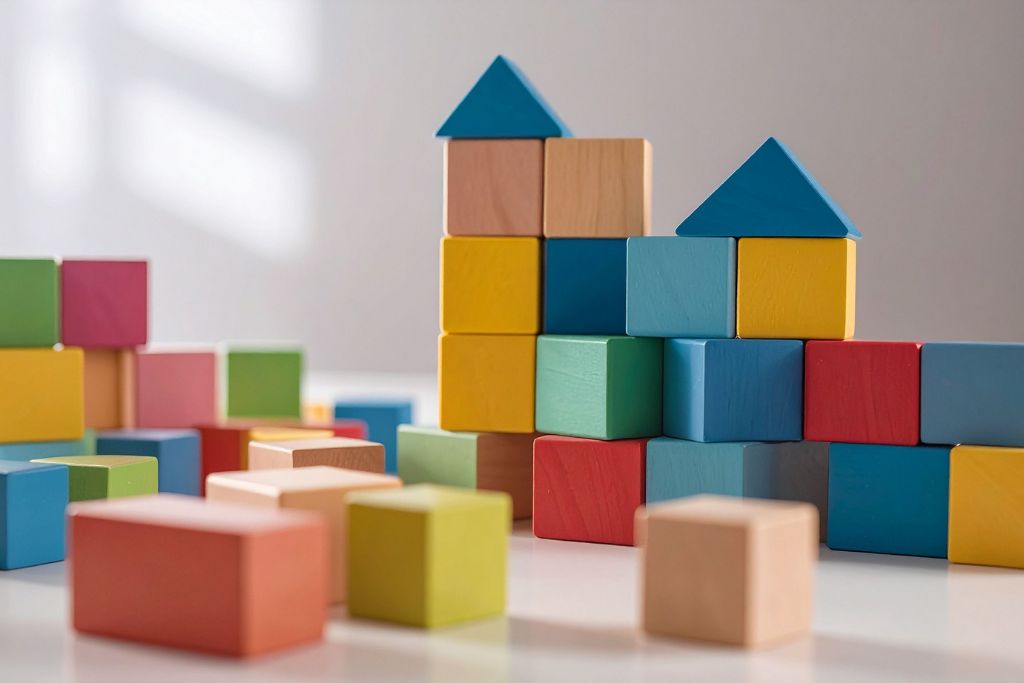
Play is not just something children do to pass time. For young children, play is their main way of learning about the world, other people and themselves.
When children play, they are not only having fun, they are practicing life skills. They are learning how to think, how to communicate, how to solve problems and how to understand feelings.
This is why play is so powerful, especially in early childhood (1–7 years). It builds the foundation for emotional, social and cognitive development in a very natural way.
What play really means for a child
For a child, play is their “language”. It is how they express emotions, test boundaries and understand relationships.
Through play children learn:
- how to interact with others
- how to express feelings safely
- how to handle winning and losing
- how to be flexible when things don’t go their way
- how to use imagination and problem solving
It may look simple from outside, but inside the child’s brain, a lot of learning is happening all the time.
Pretend play is where social skills grow
Pretend play (for example playing with dolls, cars, animals or role play games) is one of the most important ways children learn social and emotional skills.
In pretend play children can practice:
- sharing and turn-taking
- emotions like anger, sadness, joy and frustration
- manners and everyday social behavior
- empathy and understanding others
- boundaries and respect
For example, a child might say: “My doll is the doctor and she helps everyone.”
In this moment they are already practicing care, empathy and social roles.
When adults join play
Often when adults play with children, the adult simply follows what the child says. The child becomes the “leader” of everything, and the adult just agrees and follows.
This is not wrong, but it is also important that children learn something else too.
In real life, things do not always go exactly the way we want. And play is a safe place to learn this.
So in play, it is also healthy to gently introduce small “real life moments” where not everything goes the child’s way.
Teaching gentle boundaries through play
For example, if a child says:
“Take this red block!”
You can gently respond:
“No thank you, I will take this yellow one. I like this one.”
The child might react and say:
“No, take the red one!”
This is a very normal moment. The child is learning flexibility and control.
You can stay calm and explain:
“I understand you like the red one, but I want to use the yellow one. You can use the red one.”
This teaches something very important:
- other people have their own choices
- not everything must go my way
- I can still enjoy the game even if others choose differently
Yes, children may get frustrated, and that is okay
Sometimes the child may feel upset or even a bit angry when you do not follow their instructions in the play.
This is actually part of the learning.
In that moment you can say:
“I see you are upset because I did not choose the red block. You really wanted me to take it. But I like the yellow one. You can still play with red.”
This helps the child:
- name the feeling
- accept frustration
- understand boundaries
- continue playing even when something is different than expected
Why this is important for real life
These small moments in play are not just about toys.
They are preparing children for real life situations where:
- they cannot always be in control
- other people have different opinions
- rules and boundaries exist
- flexibility is needed in relationships
So when you gently stay firm in play, you are not being “strict”, you are actually helping your child learn important emotional resilience.
The balance between connection and boundaries
The goal is not to control the play. And it is also not to let the child control everything.
The goal is balance:
- warm connection
- safe boundaries
- playful interaction
- emotional learning
When children feel safe with you, they can also handle small frustrations better. And that is where real learning happens.
And of course, it does not mean that every time you play with your child you need to turn it into a learning moment. It is simply helpful to know what you can do to support your child’s learning, but it is just as important to sometimes fully join their world and follow their ideas.
Children also need play where they feel in control, where the imagination leads the way, and where the adult simply plays along. Both are valuable.
Balance is the key.
Want personalised guidance?
Book a consultation and get guidance designed for your family.
Book a consulting session →


