
How to handle picky eating without pressure
When your child refuses food again and again, it’s completely normal to feel frustrated. Many parents try encouraging, negotiating or asking for just one bite. You’re not alone, almost every parent has been there.
But here’s the tricky part: pressure usually makes picky eating even harder.
Children need to feel safe with new foods
Before a child is ready to taste something new, they need to feel safe and comfortable with it. Sometimes that simply means having the food on their plate with no expectations at all.
A child might start by looking at a new food. Another day they may touch it. Later, they might taste it. This slow, step-by-step process is completely natural.
Offer new foods calmly
Instead of asking your child to try something, place new foods on the table in a calm and neutral way. Let them decide what to do. Curiosity grows better without pressure.
Keep foods separate when needed
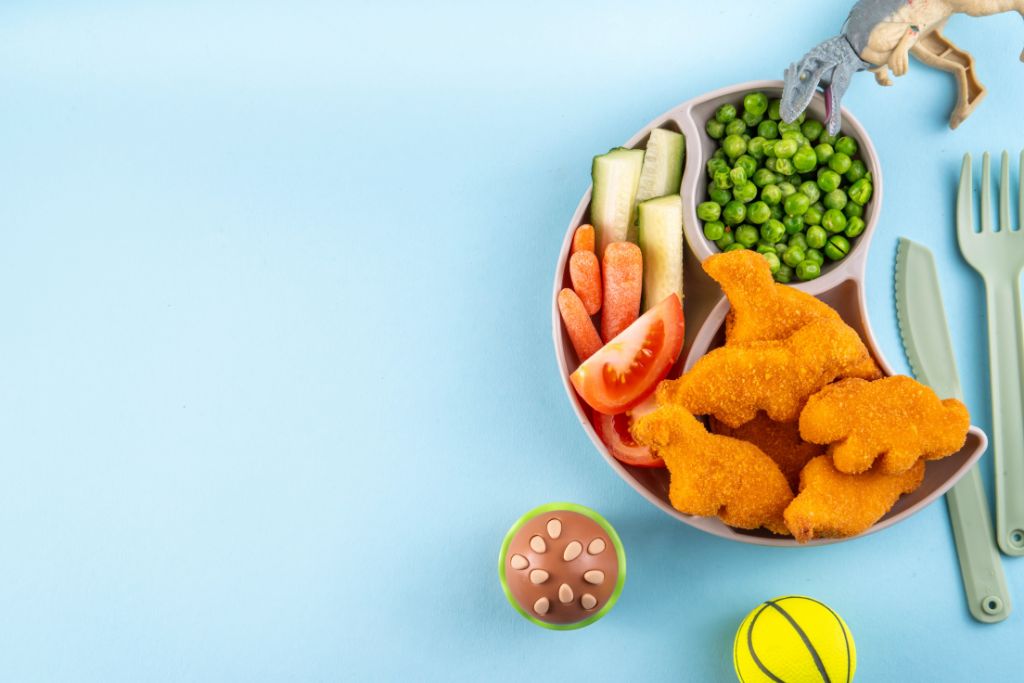
Some children find mixed foods overwhelming. When everything is combined, it’s hard for them to understand what’s on the plate. Serving foods separately can make mealtimes feel more predictable and easier to handle.
Smaller portions feel safer
Portion size matters more than we think. A large serving can feel overwhelming before your child even begins. A very small portion feels easier and safer and your child can always take more if they want to.
Focus on interaction, not intake
Changing the goal can help. Instead of focusing on how much your child eats, notice how they interact with the food.
Looking, smelling, touching or even just allowing the food to stay on the plate are all important steps forward.
Eating together still matters
Family meals are valuable, not because your child needs to eat everything, but because they watch others eating. Children learn so much just by observing. When you enjoy the food yourself, your child often becomes more interested too. Seeing you eat it makes the food feel safer and more familiar to them.
Keep the atmosphere calm
Children are quick to sense adult emotions. If mealtimes feel tense, eating becomes less comfortable for them. Try to keep the atmosphere relaxed, even when it’s difficult. And remember to notice the small wins: sitting at the table, touching a new food or simply staying calm are all positive steps.
Keep mealtimes screen-free
It can be tempting to use an iPad or videos to help a child eat, especially if meals feel challenging. But screens make eating a passive activity. Children don’t notice their own hunger cues, they don’t explore new foods and they don’t learn to enjoy the social part of mealtimes.
A screen-free table helps your child stay connected to the food, to the family and to their own body. Even if it feels hard at first, it pays off in the long run.
You don’t need perfect meals
Your child doesn’t need perfect meals. What they need is a calm, safe environment where they can slowly get used to different foods at their own pace.
In the next post, we’ll explore simple and practical ways to make everyday mealtimes easier.
Want personalised guidance?
Book a consultation and get guidance designed for your family.
Book a consulting session →


