My child is addicted to iPad what do I do?
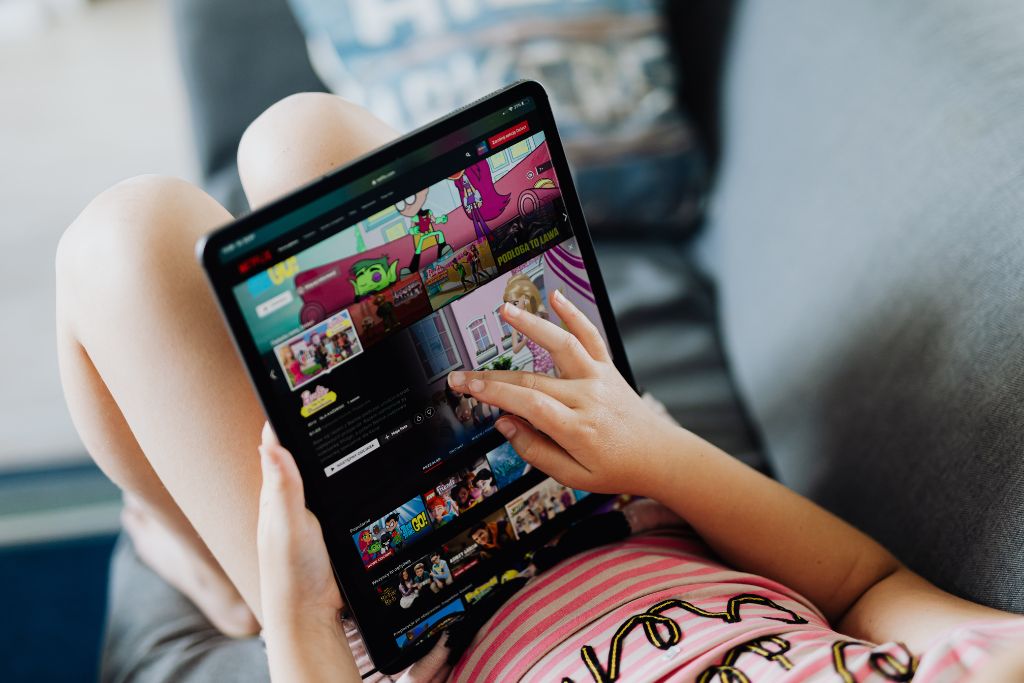
First – an iPad isn’t addictive in the clinical sense, but it can become highly habit-forming, especially for young children because it delivers fast rewards, constant novelty and easy regulation (calming or entertaining themselves). So what parents often experience is not “addiction”, but a strong learned preference that crowds out other activities.
Why your child clings to the iPad
If a child “won’t stop” using a tablet, it’s usually one (or more) of these:
1. Immediate reward loop
Games and videos give instant feedback (points, colors, sounds, movement). Real life feels slower in comparison.
2. Emotional regulation tool
Many children use screens to calm down, avoid boredom or escape frustration.
3. Habit + routine reinforcement
If iPad use is frequent and predictable (morning, after daycare, before dinner), it becomes an expected part of the day.
4. Weak alternative options
If nothing else feels equally engaging, the iPad naturally wins.
This is important: your child is not “choosing iPad over you” in a meaningful way, they’re choosing the most stimulating, easiest-to-access option.
Step 1: Don’t start with sudden bans
A hard stop (“no more iPad ever”) often backfires and leads to meltdowns and power struggles.
Instead, think: structure before restriction
Step 2: Set clear and predictable limits
Children tolerate limits much better when they are:
- consistent
- predictable
- not negotiated in the moment
Examples:
- “iPad is after snack, for 20 minutes.”
- “We use tablets only on weekends.”
- “First we go outside, then you can watch a show.”
The key is not the exact rule, it’s that the rule is stable.
Step 3: Make transitions easier (this is where most problems happen)
Most “iPad battles” are actually stop-transition problems, not screen problems.
Try:
- Give warnings: “5 minutes left… 2 minutes left… last video.”
- Use visual timers
- Don’t end it abruptly in the middle of something exciting if possible
- Have a consistent closing ritual: “say goodbye to the iPad”
Expect resistance at first. That doesn’t mean the rule is wrong – it means the habit is strong.
Step 4: Replace, don’t just remove
If you only take away the iPad, the gap feels huge.
You need bridges:
- special toys only available during “iPad-free time”
- water play, sensory bins, drawing, building
- “together time” even if it’s short (10–15 min is enough for young children)
- outdoor time as a default reset
- a first–then chart to make transitions predictable (for example: “first we finish iPad time, then we go outside”)
The goal is not perfection, it’s variety.
Step 5: Rebuild connection before correction
When screen time becomes a conflict zone, children often seek even more escape.
Try increasing small moments of connection:
- sitting together without instruction
- narrating what they do
- simple shared play
This reduces the emotional “need” for constant digital stimulation.
Step 6: Expect withdrawal-like reactions
When reducing screen time, you may see:
- anger
- crying
- bargaining
- “just one more!”
This is normal habit resistance, not harm.
The most important thing is:
- stay calm
- don’t over-explain
- don’t negotiate endlessly in the moment
Short, steady message:
“I know you want more. It’s done for today.”
Step 7: Model matters more than rules
If children constantly see adults on phones, the message becomes mixed.
You don’t need perfection, but visible balance helps:
- phone-free meals
- no scrolling during playtime
- intentional “I’m putting my phone away now”
When to worry
It’s worth seeking extra support if:
- child becomes highly distressed without screens for long periods
- sleep, appetite or social interaction is clearly affected
- screen use feels uncontrollable despite consistent limits over time
The most important truth
You’re not trying to “eliminate iPad use.”
You’re trying to:
- teach regulation
- widen interests
- reduce dependency on a single coping tool
That process takes time, often weeks to months, not days.
And some days will go better than others. Some days you will hold the boundary, and some days you won’t have the energy to fight it. Both are okay.
Want personalised guidance?
Book a consultation and get guidance designed for your family.
Book a consulting session →