
Why does my toddler laugh when I say no?
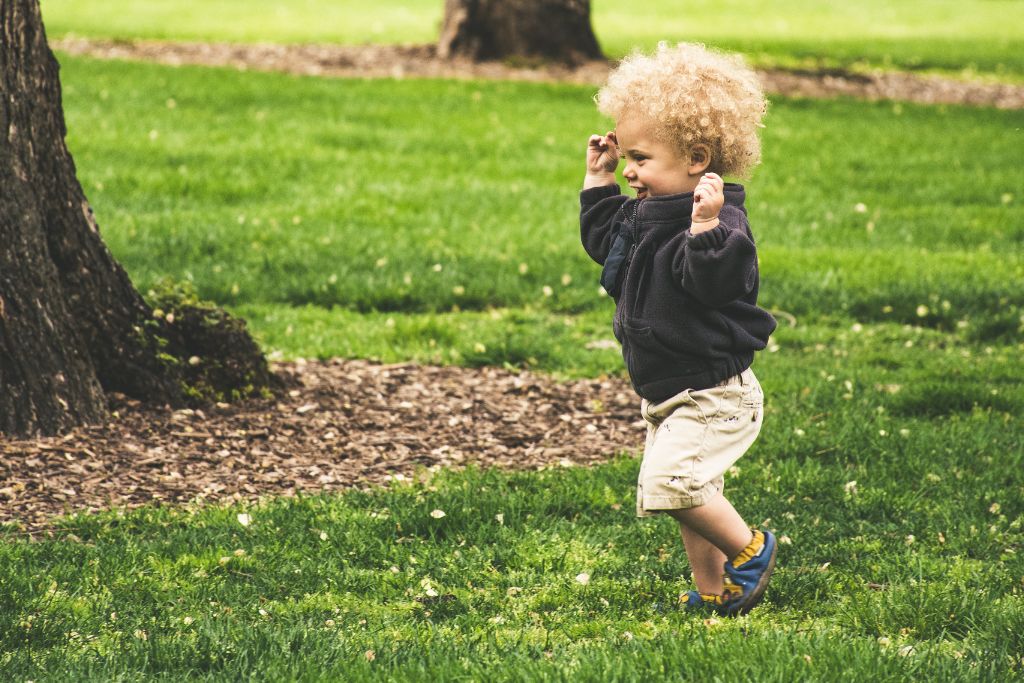
You say “no” and your toddler looks at you and laughs. It can feel like they are making fun of you or not taking you seriously. But with young children, laughing does not always mean that something is funny.
Sometimes laughing is a reaction to excitement, nervousness or a big reaction from the adult. Sometimes your child is testing what happens next. And sometimes they simply know that they should not do something, but stopping themselves is still difficult.
Knowing the rule and being able to follow it in the moment are two different skills.
What to do when your toddler laughs at “no”
1. Keep your reaction small
If throwing a toy creates a big reaction every time, the reaction itself can become interesting to your child.
Instead of: “NO! How many times have I told you not to throw that?!”
Move closer and simply say: “Toys stay on the floor.”
Keep your voice calm and your words short. Short instructions are easier for young children to understand and follow, especially when they are excited or upset.
2. Tell them what to do instead
“No” tells your child what to stop, but it does not always tell them what to do instead.
Instead of: “Don’t throw.”
Try: “Put the car on the floor.”
Instead of: “Don’t climb there.”
Try: “Feet stay on the floor.”
Clear and concrete instructions are easier for young children to understand and follow. Instead of only hearing what they shouldn’t do, they get a simple direction for what they can do instead. This makes it easier for them to know what you expect in that moment.
3. Use your actions when words are not enough
You do not need to say the same thing ten times. If your child continues throwing the toy, calmly stop the action.
“You’re having a hard time keeping the toy on the floor. I’ll put it away for now.”
Your child might get disappointed, cry or become angry when you hold the boundary. That is okay. You do not need to give the toy back just because your child is upset. Stay close and acknowledge the feeling: “I know you’re upset. You really wanted to keep playing with it.”
The boundary does not need to become louder, but it does need to stay the same. When the response is predictable, your child slowly learns where the boundary actually is. They may still test it again another day, but each consistent response helps make the limit clearer.
4. Don’t make the laugh the problem
Your child can laugh and the boundary can still stay the same.
You don’t need to say: “Stop laughing at me.”
Instead, stay focused on the actual behavior.
“You can laugh. The toy still stays on the floor.”
The laughing does not need to change what you do next. Keep the boundary simple and focus on the behavior you want to stop, rather than trying to control your child’s reaction to it.
Try this today
Choose one behavior you often say “no” to. Change the sentence into an instruction telling your child what they can do.
“Don’t run!” → “Walk next to me.”
“Don’t hit!” → “Hands stay down.”
“Don’t throw your food!” → “Food stays on the table.”
And remember, your child may not be able to follow the instruction right away. If they need help, you can gently guide them through it. For example, you can help their hand place the toy back on the floor or guide them away from something they are climbing on.
Your toddler does not need a bigger reaction or the same instruction repeated over and over. Sometimes they simply need your help to follow through. Keep the words simple, help when needed and let the boundary stay predictable, even if they get disappointed or upset.
Want personalised guidance?
Book a consultation and get guidance designed for your family.
Book a consulting session →


