
Why is my child hitting me?
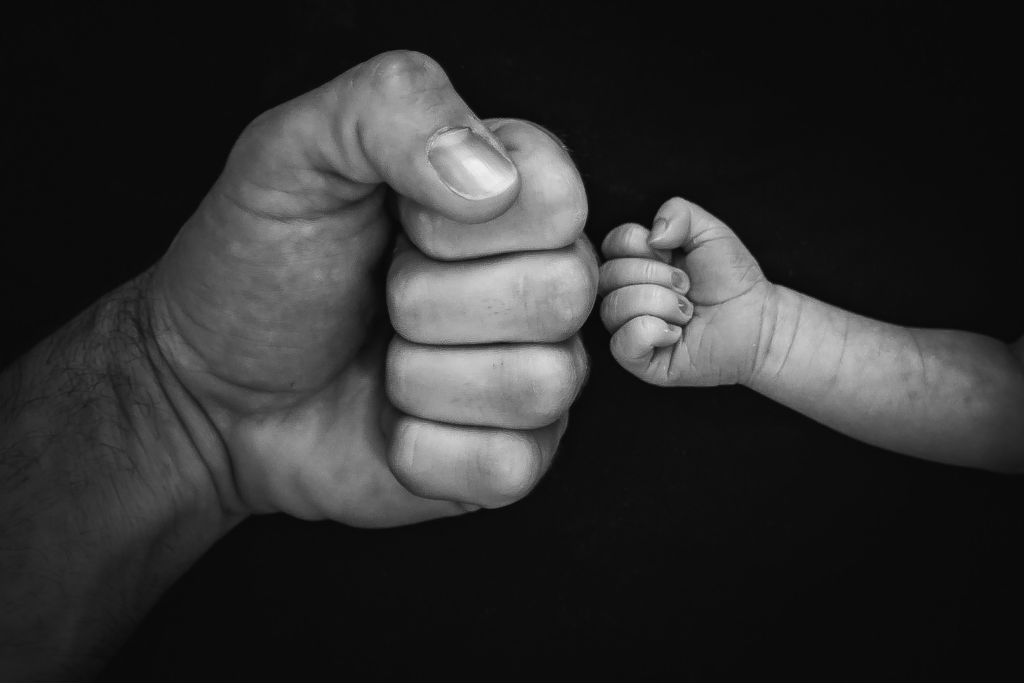
If your child hits you (and even laughs afterwards), it can feel confusing, upsetting and honestly a bit shocking.
Many parents immediately think:
“Do they think this is funny?”
or
“Why aren’t they taking this seriously?”
But in most cases, this behavior is not about being mean or disrespectful.
It’s about development, emotions and not yet having the skills to handle what they feel.
Why children hit
Children hitting/biting/kicking is actually quite a common developmental stage.
It often comes from:
- frustration
- excitement
- tension
- shame
- or testing boundaries
It is usually not about cruelty or the intention to hurt someone emotionally. Young children simply don’t yet have enough tools to express big feelings in a safe way. So the body reacts before the words can catch up.
Why your child might laugh when hitting
The laughter can feel especially confusing, but it often has nothing to do with finding it funny.
1. Tension or shame
Laughter can be a stress response. The child may feel overwhelmed, embarrassed or even a bit frightened by their own strong emotions or the adult’s reaction.
2. Testing limits
Sometimes the child is simply testing:
“What happens if I do this?”
It’s not personal, it’s exploration of boundaries.
3. Emotional overload
In some moments, the feelings are simply too big. Laughter can come out when the child doesn’t know how else to release the tension.
What to do in the moment
The most important thing is: stay calm and clear.
Children mirror the adult’s emotional state. If we escalate, they often escalate too.
1. Stop the behavior
Gently but firmly stop the hitting.
You can hold their hand or step between them if needed.
2. Set a clear boundary
Keep it simple:
- “I won’t let you hit.”
- “Hitting is not okay. It hurts.”
No long explanations in the moment, just clarity. You can also show that it hurts: “Ouch, that hurt,” or “That wasn’t nice, I’m hurt now.” Some parents also find it helpful to gently pretend to cry to show the emotional impact.
3. Name the feeling
This helps the child feel understood:
- “I see you’re really angry.”
- “I can see you’re overwhelmed.”
Feelings are allowed. The limit still stands.
4. Offer an alternative
Show what they can do instead:
- “You can hit a pillow if you’re angry.”
- “You can come to me when you feel like this.”
This is where learning begins.
5. Stay steady if laughter continues
If the child keeps laughing, don’t get pulled into arguing or reacting emotionally. Stay calm and consistent. If needed, calmly remove them from the situation without anger.
What NOT to do
Try to avoid:
- shaming
- yelling in anger
Never hit back or use physical violence. Physical punishment does not teach emotional regulation. It only teaches that stronger people can hit. (And that is not the goal.)
What this behavior actually means
A child who hits is not “bad” or intentionally aggressive.
More often, it means:
- they don’t yet have impulse control
- they don’t know better tools yet
- they are overwhelmed by emotions
It’s a skill gap, not a character flaw.
What helps long term
Over time, children learn through:
- calm repetition
- consistent boundaries
- emotional coaching
- safe guidance
Not punishment. Not fear. But steady, connected support.
When to seek extra support
If hitting is frequent or comes with other concerns, it can be helpful to talk with:
- our consulting service
- your child health clinic
- daycare staff
- or other professionals involved in your child’s care
You don’t have to figure everything out alone. This is a normal phase many children go through, some more intensely than others. It will get better!
Want personalised guidance?
Book a consultation and get guidance designed for your family.
Book a consulting session →


