
How to teach toddlers to share
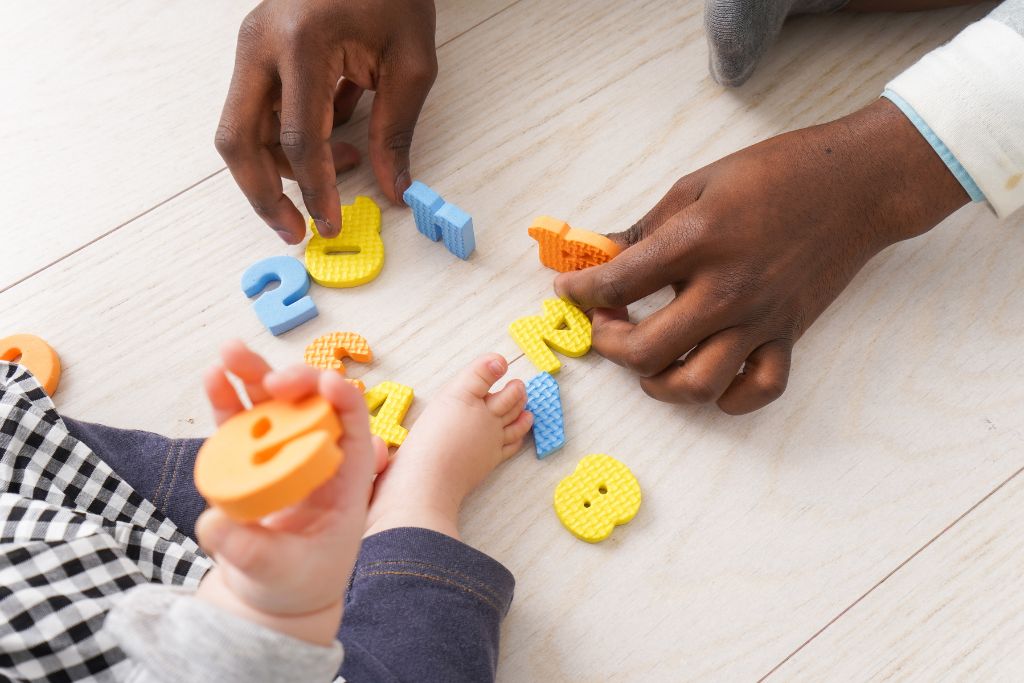
Sharing is one of the most common things parents want to teach, but also one of the hardest for little ones to understand. Many parents think “Why can’t my child just give the toy to someone else for a moment?” But actually, for a toddler or small child, sharing is a big emotional skill. It needs time, practice and support.
Here are the main reasons why toddlers struggle with sharing:
1. Sharing feels like losing something important
For adults, sharing is kind.
For toddlers, it feels like:
“If I give this toy, I may never get it back.”
This can feel scary. Their brain is still learning trust and patience.
2. They live very strongly in the “now”
Small children do not think about “in a moment” or “later”.
They think: “I want this now.”
Because of this, waiting for a turn is extremely difficult at young ages.
3. They are still building emotional regulation
Sharing is not only about giving a toy.
It is about:
- controlling impulses
- waiting
- calming frustration
- understanding someone else’s feelings
These are huge skills that grow slowly with age. They are not built-in when we are born.
4. They don’t understand the social rules yet
Sharing is a learned behavior, not something children automatically know how to do. It is something they need to see, experience and practice many times before it really starts to make sense.
When children regularly see adults and other children modelling sharing in everyday situations, they slowly begin to understand how it works and why it matters.
5. Different ages learn sharing differently
- 1–2 years: parallel play, no real sharing yet (but practice starts already here!). At this age, children are still mainly focused on themselves and their own play. They are just beginning to understand that other people exist as separate individuals.
- 3–4 years: starting turn-taking. Children begin to notice other children more and can start learning simple waiting and taking turns, especially with adult support.
- 5–7 years: better cooperation and understanding fairness. At this stage, children start to understand rules, perspective-taking and the idea that sharing can feel fair for everyone.
So if your toddler refuses to share, it is normal. There is nothing wrong with your child. They are simply still in the stage where their brain is learning these skills step by step. They just need support, practice and patience.
Practical ways to teach sharing
Here are simple, real-life strategies that work very well for young children.
Everything is focused on connection, not forcing.
1. Use “turn taking” instead of “you must share”
Sharing is abstract.
Turn taking is concrete.
Say something like:
- “You can play with it first. When you are finished, it’s your friend’s turn.”
- “He is waiting. Can we let him know when you are done?”
This gives the child control and reduces stress. When possible, let the child finish their turn. This builds trust and they start to notice that “if I share, I can still get it back”.
2. Use a simple visual timer for turns
A timer helps children understand time better than words.
You can use:
- sand timer
- kitchen timer
- phone timer (or different apps)
Say:
“Two minutes for you. When the sand is gone, it’s your friend’s turn.”
Visual timers reduce arguments because the timer is “the boss”, not you.
3. “You can have it back after” rule
Many children are scared they lose the toy forever.
Show them clearly: “You will get it back. I will help you.”
You can even hold the child’s hand while they wait.
Start with short waiting moments, and over time gently extend the time before they get the toy back. This helps your child slowly build patience without feeling overwhelmed.
4. Practice sharing during calm moments, not conflicts
Children cannot learn well when they are upset.
Teach sharing during playtime when everyone is calm.
Ideas:
- swap stickers
- pass a ball back and forth
- take turns building blocks
Small, fun moments help the skill grow. Remember to always give positive feedback and say the word share so children can start learning what the word ‘share’ means.
5. Model sharing as a parent
Make your own sharing visible. Children copy what you do, not what you say.
You can model:
- “I am using this pen now, but I will give it to you when I’m done.”
- “Can I have a small piece of your apple? Thank you!”
- Or simply show the skill in action with your partner or a friend. Show them how you two share and say the word out loud. For example, you can hand a toy to your partner and say, ‘Look, I’m sharing with Dad!’ and then let your partner share it back to you.
6. Prepare for playdates in advance
Before a friend comes:
- choose a few toys the child does not want to share → put them away
- choose “sharing-friendly” toys for playing together
Say:
“These toys are for everyone. These ones are special and stay safe.”
7. Teach simple social scripts
Young children need easy phrases they can remember.
Social scripts give them the words when they don’t know what to say.
For the child who has the toy: “I’m playing. You can have it when I’m done.”
For the child who is waiting: “Can I have a turn when you’re finished?”
Practice these together like a small drama game. Make it fun, playful and short, so the child feels confident using the phrases later with real friends.
Add sharing moments into pretend play
One of the best ways to teach social skills is simply playing together with your child. When you play pretend games (for example with Barbies, dinosaurs, cars, animals), you can gently add small “sharing moments” into the story.
For example:
- Your Barbie says: “I have two cups. Would you like one?”
- Or: “I’m using this brush now. After I’m done, you can have a turn.”
- You can also ask from the child’s character: “Can my Barbie have a turn when your Barbie is finished?”
This makes sharing feel natural, not forced.
Children learn so well through imagination, stories and characters. When the toy characters speak kindly and take turns, your child absorbs this without pressure.
Playing together is a powerful way to teach many skills:
sharing, empathy, gentle touch, asking nicely, waiting and even how to say “no” politely.
You can read more about using play for social skills in the post → How children learn social skills through play
8. Praise the behavior you want to see
When your child shares even a little moment, notice it!
Examples:
- “You waited so patiently!”
- “You gave a turn, that was very kind.”
- “You listened to your friend. Great teamwork!”
Positive attention grows the skill. Children are naturally built to crave attention from the people they feel safe with. When they notice that you see them and notice their sharing and kind behavior, they are much more likely to repeat it to get that attention again.
9. Stay calm when conflict happens
Sharing fights are normal.
Instead of punishment, guide the situation:
- “I see you both want the same toy.”
- “Let’s take turns.”
- “Who would like to go first?”
- “When you’re finished, we switch.”
Your calm voice helps the children calm too. If the situation doesn’t resolve with this, you can gently step in and say: “I see that both of you are upset about this. I will now play with this toy, which toys do you want to play?”. Then briefly join the play and shift the attention away from the conflict. Often, when you start playing, children naturally want to join again and the focus moves away from the one toy. Very quickly, they may forget about the original conflict because connection and play feel more important than the object itself.
When the situation is calm again, you can gently model sharing once more: “Okay, now you can play with this toy for 5 minutes, and then we will switch.”
10. Remember: development takes time
No child shares perfectly.
Each age learns differently.
With small daily moments, your child will slowly learn confidence, empathy and patience around sharing. But you will also have days (maybe ten of them!) where you find yourself battling over the same situation again and again – and that is completely normal.
Remember: you are doing a good job as a parent.
Handling these moments can be extremely tiring, especially when you feel like nothing is working. But it doesn’t have to be perfect every time.
And sometimes, it is absolutely okay to let your child not share.
Maybe they are tired, overwhelmed or the toy is very special to them. We all have days like that, even adults. What matters is the long-term pattern, not the one small moment.
Gentle guidance, small steps and your presence are what truly help your child grow.
Want personalised guidance?
Book a consultation and get guidance designed for your family.
Book a consulting session →


